
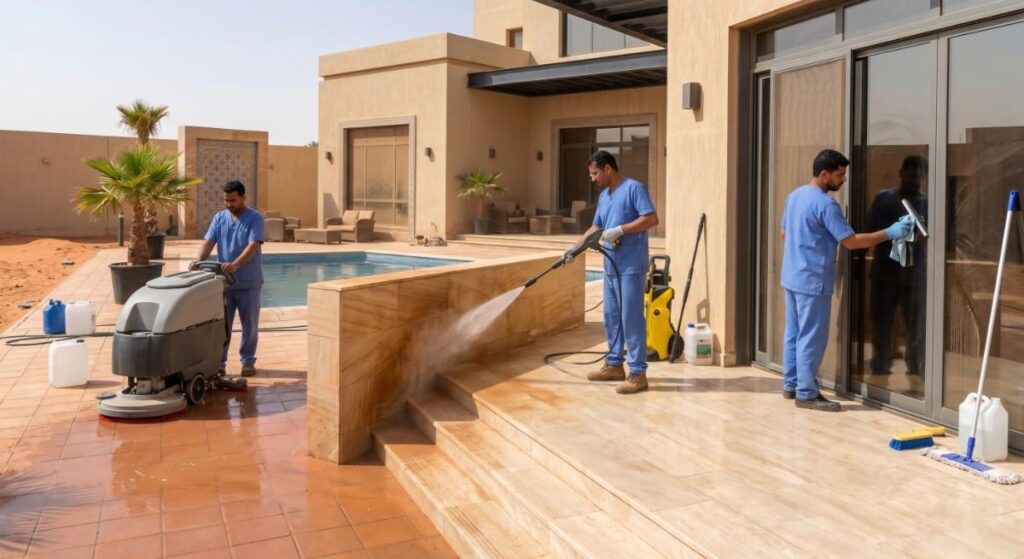
Riyadh residents are familiar with the sudden arrival of a haboob—a powerful dust storm that can transform clear skies into walls of dust within minutes. While these storms are common in Saudi Arabia, the aftermath often leaves homeowners dealing with layers of dust and sand on floors, furniture, carpets, windows, and even inside air vents.
Cleaning After Riyadh Haboob is essential not only for maintaining a clean appearance but also for protecting indoor air quality and preventing long-term damage to household surfaces. Fine dust particles can settle into fabrics, carpets, electronics, and ventilation systems, making thorough cleaning necessary.
At Ultraclean, we understand how challenging post-storm cleanup can be. This guide covers ten effective and fast methods to restore your home after a sandstorm and create a healthier living environment.
Why Immediate Cleaning Matters After a Haboob
Dust storms carry microscopic particles that can enter homes through doors, windows, and ventilation systems. If left unattended, these particles can:
- Trigger allergies and respiratory issues
- Damage electronic devices
- Scratch delicate surfaces
- Stain carpets and upholstery
- Reduce indoor air quality
That’s why Cleaning After Riyadh Haboob should begin as soon as possible after the storm has passed.
1. Start with Proper Ventilation
Before beginning the cleaning process, open windows and doors if outdoor conditions have improved. Fresh air helps remove trapped dust particles and odors.
Turn on exhaust fans and air purifiers to improve circulation. Ventilation creates a healthier environment while reducing airborne dust during cleanup.
This initial step makes the entire Riyadh haboob cleanup process more efficient and manageable.
2. Dust from Top to Bottom
One of the biggest mistakes homeowners make is cleaning surfaces randomly. Always begin at the highest points in the room.
Clean:
- Ceiling fans
- Light fixtures
- Shelves
- Cabinets
- Wall decorations
As dust falls downward, finishing with floors prevents repeated cleaning.
For effective Dust and sand removal Riyadh, microfiber cloths are highly recommended because they capture dust instead of spreading it into the air.
3. Vacuum Every Surface Thoroughly
After dusting, use a vacuum cleaner equipped with a HEPA filter.
Focus on:
- Floors
- Upholstered furniture
- Mattresses
- Curtains
- Corners and edges
Fine desert sand can settle deep within fabrics and flooring materials. Regular sweeping may not be sufficient to remove embedded particles.
Professional Dust and sand removal Riyadh services often rely on commercial-grade vacuums to achieve superior results.
4. Deep Clean Carpets Immediately
Carpets act like giant filters, trapping dust and sand particles after a storm.
For effective Sand removal from carpets, follow these steps:
- Vacuum multiple times in different directions.
- Spot-clean visible stains.
- Use carpet shampoo if necessary.
- Allow complete drying before use.
Ignoring sand buildup can wear down carpet fibers over time.
Professional Sand removal from carpets solutions can help extend the lifespan of expensive flooring investments.
5. Clean Windows and Glass Surfaces
Dust storms often leave a stubborn film on glass surfaces.
For effective Window cleaning after sandstorm, use:
- Warm water
- Mild glass cleaner
- Microfiber cloth
- Squeegee
Avoid wiping dry dust directly from glass because sand particles can cause scratches.
Proper Window cleaning after sandstorm procedures restore visibility and enhance natural light inside your home.
6. Wash Curtains, Bedding, and Fabrics
Fabric surfaces absorb dust quickly during a haboob.
Items to wash include:
- Curtains
- Bedsheets
- Pillowcases
- Blankets
- Sofa covers
Use the manufacturer’s recommended washing instructions.
This step is especially important during Deep cleaning after sandstorm projects because hidden dust often remains trapped inside fabric fibers.
7. Sanitize Hard Surfaces
Once loose dust is removed, sanitize frequently touched surfaces.
Pay attention to:
- Door handles
- Kitchen counters
- Dining tables
- Remote controls
- Light switches
Use non-abrasive cleaners to avoid damaging finishes.
Sanitization is an important part of Deep cleaning after sandstorm procedures, ensuring that surfaces are both clean and hygienic.
8. Replace or Clean Air Filters
Your HVAC system works hard during and after a dust storm.
Inspect:
- Air conditioning filters
- Air purifier filters
- Vent covers
Dirty filters reduce airflow and recirculate dust throughout the home.
Replacing filters improves air quality and supports successful Cleaning After Riyadh Haboob efforts.
9. Pay Special Attention to Marble Floors
Many Riyadh homes feature marble flooring, which requires specialized care.
Sand particles can scratch marble surfaces if cleaned improperly.
When maintaining marble floors:
- Remove loose dust first
- Use pH-neutral cleaners
- Avoid abrasive brushes
- Dry immediately after mopping
Following The Ultimate Guide to Marble Cleaning principles helps preserve shine and prevent costly repairs.
Homeowners who follow The Ultimate Guide to Marble Cleaning recommendations can significantly extend the lifespan of marble surfaces.
10. Consider Professional Cleaning Services
Sometimes a haboob leaves behind more contamination than homeowners can manage alone.
Professional Riyadh home cleaning services offer:
- Industrial-grade equipment
- Deep carpet extraction
- Upholstery cleaning
- Air duct cleaning
- Complete dust removal
Hiring experienced Riyadh home cleaning services can save time while delivering a more thorough result.
Common Areas Often Missed During Cleanup
Many homeowners focus on visible dust while overlooking hidden locations.
Check:
- Behind furniture
- Under beds
- Air vents
- Closet shelves
- Electronics
- Kitchen cabinets
These areas often contain significant dust accumulation after storms.
A comprehensive Riyadh haboob cleanup plan should include these frequently neglected spaces.
Preventing Future Dust Accumulation
While dust storms cannot be avoided, preparation can reduce indoor contamination.
Helpful prevention measures include:
- Installing weather stripping
- Using air purifiers
- Keeping windows closed during storms
- Regular HVAC maintenance
- Sealing gaps around doors
These steps reduce the amount of dust entering your home during future haboobs.
Why Choose Ultraclean?
At Ultraclean, we specialize in professional post-sandstorm cleaning solutions tailored to Riyadh’s unique climate. Our trained team uses advanced equipment and proven cleaning methods to remove dust, sand, and allergens from every corner of your property. We help homeowners restore cleanliness, comfort, and indoor air quality quickly and efficiently after every haboob.
Conclusion
Dust storms are an unavoidable part of life in Riyadh, but the cleanup process doesn’t have to be overwhelming. By following these ten effective methods, homeowners can restore cleanliness, protect valuable surfaces, and improve indoor air quality.
Whether you need carpet care, window washing, marble maintenance, or complete Cleaning After Riyadh Haboob, taking prompt action is the key to preventing long-term damage. For professional assistance and exceptional results, trust Ultraclean to handle every aspect of your post-storm cleaning needs.
Frequently Asked Questions
How soon should I start Cleaning After Riyadh Haboob?
Begin cleaning as soon as weather conditions are safe. Immediate cleanup prevents dust from settling deeper into carpets, fabrics, ventilation systems, and furniture, making removal faster and more effective.
What is the best method for dust and sand removal after a storm?
Use microfiber cloths, HEPA-filter vacuums, and damp cleaning methods. These techniques effectively capture dust particles without spreading them throughout the home during cleaning.
Why is professional carpet cleaning recommended after a haboob?
Sand particles become embedded deep within carpet fibers. Professional cleaning removes trapped debris, prevents fiber damage, improves indoor air quality, and extends carpet lifespan.
How can I clean windows safely after a sandstorm?
Remove loose dust first, then use a gentle glass cleaner and microfiber cloth. Avoid dry wiping because sand particles can scratch glass surfaces permanently.
Should air conditioning filters be replaced after a dust storm?
Yes. Dust storms can clog HVAC filters quickly. Replacing or cleaning filters improves airflow, enhances indoor air quality, and prevents dust recirculation throughout the home.
Why choose Ultraclean for post-haboob cleaning?
Ultraclean provides specialized equipment, trained professionals, and comprehensive cleaning solutions designed to remove dust, sand, allergens, and debris from Riyadh homes efficiently.